
Commercial Real Estate
Acquisitions, dispositions, development, joint ventures and leasing across multifamily, hospitality, retail and mixed-use assets.


Atlanta, Georgia
Robinson Franzman LLP advises the owners, sponsors, funds, lenders and operators who acquire, capitalize and manage commercial real estate and closely held enterprise.
Robinson Franzman LLP is a business law firm in Atlanta. Our practice is built around commercial real estate and the capital that moves it: acquisitions and developments, the debt and equity that finance them, the entities and offerings that hold them, and the enforcement and litigation that follow when something does not go as underwritten.
Our clients are decision-makers. They are generally not looking for an exhaustive memorandum; they are looking for a clear read on the risk, a recommendation, and documents that hold up. We work that way.
Each group stands on its own. Together they cover the full arc of a commercial matter — from the entity that holds an asset to the enforcement of the loan secured by it.
Acquisitions, dispositions, development, joint ventures and leasing across multifamily, hospitality, retail and mixed-use assets.
Lender-side and borrower-side representation in commercial real estate finance, construction, bridge, agency, CMBS, mezzanine and preferred equity transactions.
Private offerings, real estate syndications, fund formation and sponsor structuring under Regulation D and related exemptions.
Entity formation and governance, LLC and partnership agreements, joint ventures, M&A and the commercial agreements that run a business.
Business, real estate, partnership and investor disputes — including emergency relief and matters that require immediate action.
Loan enforcement, foreclosure, receiverships, workouts, restructurings and distressed real estate.
Most transactions do not fail at a single point; they fail where two disciplines meet. We keep the entity, the financing, the offering and the enforcement strategy in the same set of hands.
Entity structuring, operating and partnership agreements, governance.
Private offerings, syndications, fund formation, sponsor structuring.
Purchase agreements, diligence, title and survey, closing.
Senior debt, construction, bridge, agency, CMBS, mezzanine, preferred equity.
Leasing, management agreements, joint venture administration, consents.
Sales, refinancings, assumptions, 1031 exchanges, recapitalizations.
Workouts, foreclosure, receivership, restructuring and litigation.
Selected prior matters, organized by practice. Descriptions are given in general terms and do not identify clients.
Represented a multifamily investment group in acquisitions throughout the Southeast totaling approximately $200 million over a four-year period, including structuring acquisition vehicles utilizing syndicated equity.
Represented the lead lender in a $110 million financing package, including PACE financing, for the construction of a 300-unit multifamily development in Chicago, Illinois.
Represented real estate sponsors and investment groups in private securities offerings under Rules 506(b) and 506(c) of Regulation D, including multifamily and hospitality offerings.
Represented middle-market businesses in merger and acquisition transactions and strategic growth matters, including related securities-law considerations.
Represented a closely held real estate company in litigation involving claims of breach of fiduciary duty, fraud, breach of contract, and dilution of ownership interests.
Every matter is staffed with a partner. The attorney who negotiates a document is the attorney who drafted it.

Managing Partner

Partner

Partner
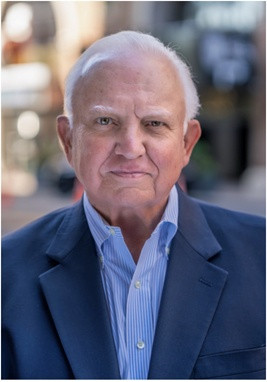
Partner
Practical writing on financing structures, offering documents, ownership agreements and enforcement — intended for clients who negotiate these terms.
A guaranty is frequently the last document reviewed and the one with the longest reach. The obligations it creates often outlast the transaction that produced it.
8 min read
Both sit between senior debt and common equity, and both are often described in similar economic terms. The differences that matter appear in the collateral, the remedies and the senior lender’s requirements.
7 min read
The choice between Rule 506(b) and Rule 506(c) governs how a sponsor may market an offering and who may invest in it. It is made early, and it is difficult to reverse once marketing has begun.
7 min read
We respond quickly, and we are direct about whether we are the right firm for a matter. Please do not include confidential details in a first message.
Real estate. Capital. Enterprise.